Watercolor Burgundy Flower Clipart Review
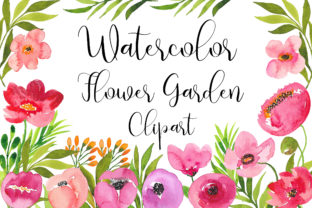
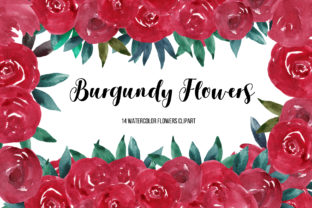
As a designer who has spent years translating digital art into tangible thread, I approach every new asset with a critical eye. When I first opened the file for Watercolor Burgundy Flower Clipart, I wasn't just looking for a pretty picture; I was assessing its potential as a functional machine embroidery design. The immediate visual impact is striking. The deep burgundy tones paired with the soft, bleeding edges of a watercolor style create a mood that feels both vintage and sophisticated. It evokes the warmth of autumn or the elegance of a wedding bouquet, making it an instant favorite for seasonal collections or boutique branding.
However, the transition from a flat Illustrations file to a stitched reality is where the real work begins. This is not a bold, graphic logo with hard lines; it is a nuanced piece that relies on texture and gradient. For an Etsy seller or a small shop owner, understanding how this specific aesthetic translates to fabric is crucial before you commit to production. Let’s dive into how Watercolor Burgundy Flower Clipart performs when moved from the screen to the hoop.
Visual Personality and Design Intent
The strength of Watercolor Burgundy Flower Clipart lies in its organic flow. Unlike rigid geometric patterns, the petals appear to dissolve into one another, mimicking the way paint spreads on wet paper. In a digital context, this is handled by pixels and gradients. In embroidery, we must recreate this effect using fill stitch density variations and strategic thread colors. The design naturally belongs in projects that require a touch of romance or rustic charm. Think of a personalized gift for a mother, a high-end nursery decor item, or a limited-run custom apparel line for a local coffee shop.
When I visualize this on a finished product, I see it working beautifully on natural fibers. The burgundy hue pops against cream, oatmeal, or sage green backgrounds, but it might get lost on dark navy or black fabrics without significant adjustments. The visual personality suggests a handmade product that values detail over speed. It is not a design for mass-market fast fashion; it is an asset for creators building a brand around quality and artistry.
Real-World Application: A Custom Tote Bag Scenario
To truly test the viability of this asset, let’s walk through a specific project: creating a premium canvas tote bag for a craft fair. I am planning to use Watercolor Burgundy Flower Clipart as the central motif on the front panel. Canvas is a sturdy choice, but it has a visible weave that can interfere with fine details. My first step is to check the hoop size. If the design is too large for my standard 5x7 hoop, I risk distortion. If it is too small, the delicate watercolor edges will become muddy blobs of thread.
In this scenario, I would likely place the design slightly off-center to allow the "watercolor" bleed to fade naturally toward the edge of the fabric. The challenge here is maintaining the illusion of softness. Standard fill stitch can look blocky if the density is too high. To achieve the watercolor look, I would need to adjust the stitch settings in my software, perhaps lowering the density in the outer petals to let the canvas texture show through, simulating the transparency of watercolor paint. This level of customization is what separates a generic embroidery file from a professional-grade result.
For a customer holding this tote bag, the difference between a flat print and a textured, raised embroidery adds significant perceived value. The tactile nature of the finished product invites touch, which increases buyer engagement. If I were selling these as a small shop product, the unique texture provided by the thread would justify a higher price point compared to a screen-printed alternative.
Navigating Fabric and Technical Challenges
While Watercolor Burgundy Flower Clipart is versatile, it is not without its pitfalls. As a reviewer, I must advise caution when applying this design to certain materials. First, avoid thin or stretchy fabrics like jersey knit unless you are experienced with stabilizers. The weight of the thread required to build up the burgundy color could cause puckering on lightweight t-shirts. For baby embroidery items, such as onesies, ensure the back of the stitching is smooth to prevent irritation against sensitive skin.
Textured fabrics also present a hurdle. On a thick fleece sweatshirt, the intricate details of the flower petals might get lost in the pile of the fabric. You may need to increase the stitch density significantly, which can lead to longer run times and more thread consumption. Additionally, curved surfaces like caps are tricky. The organic shape of the flower might distort if the cap's brim interferes with the hoop placement. Always test the design on scrap fabric first to see how the running stitch outlines hold up under tension.
Another critical consideration is washing. Designs with high thread density can sometimes crack or peel if the stabilizer isn't removed properly or if the wrong type is used. For items like kitchen towels or aprons that face frequent laundering, the durability of the Watercolor Burgundy Flower Clipart depends entirely on your setup. Using a cutaway stabilizer for stretchy items or a tear-away for wovens is non-negotiable for longevity.
Strategic Advice for Designers and Sellers
If you are considering adding Watercolor Burgundy Flower Clipart to your library of design assets, here are my practical notes for success:
- Test on Scrap Fabric: Never skip this step. Stitch out a sample to check how the burgundy threads blend. Do they create the desired gradient, or do they look like separate blocks of color?
- Check Thread Contrast: Ensure the background fabric provides enough contrast. A dark red on a brown background might disappear. Test light and dark fabric backgrounds to see where the design shines.
- Review Stitch Density: Lower the density in areas meant to look transparent. High density everywhere will make the flower look heavy and stiff, losing the watercolor essence.
- Confirm Licensing: Before selling any personalized gift or commercial embroidery item, verify the license terms. Can you sell the physical goods? Can you resell the digital file? Clarity here protects your business.
- Create Printable Mockups: Use printable mockup images to show customers exactly how the design looks on different products. This builds trust and reduces returns.
- Inspect Small Details: Zoom in on the file. Are there tiny gaps in the petals that might leave holes in the stitching? Clean up the vector paths if necessary before digitizing.
Final Thoughts on Value and Versatility
Ultimately, Watercolor Burgundy Flower Clipart is a strong contender for designers looking to elevate their handmade product offerings. It brings a sense of artistic flair that resonates well with modern consumers who appreciate unique, non-mass-produced aesthetics. Whether used for holiday embroidery gifts, wedding favors, or branding for a boutique, the design holds up well when treated with care.
The key to success lies in the execution. By paying attention to fabric texture, choosing the right stabilizer, and adjusting stitch parameters to mimic the softness of paint, you can transform this digital illustration into a stunning textile artwork. For the creative entrepreneur, this asset offers a pathway to creating memorable, high-quality items that stand out in a crowded marketplace. Just remember to always prioritize testing and technical precision to ensure the final stitch matches the vision on your screen.