Flower Garden Watercolor Clip Art Review
As a designer who has spent years translating digital art into tangible thread, I approach every new asset with a critical eye. When I first opened the file for Flower Garden Watercolor Clip Art, my immediate reaction was one of aesthetic appreciation followed by a practical assessment of its translation from screen to fabric. This piece sits comfortably within the Illustrations category, but for us in the embroidery world, the question is never just about how it looks on a monitor; it is about how it survives the hoop, the needle, and the wash cycle.
The Visual Mood and Design Personality
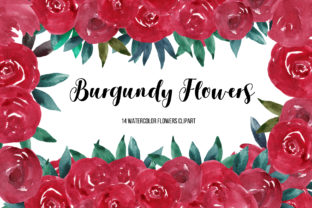
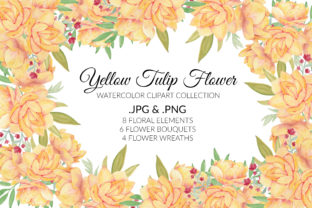
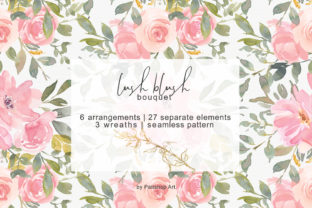
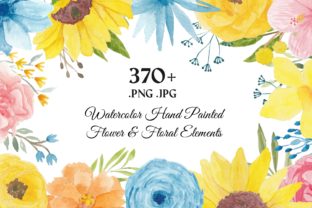
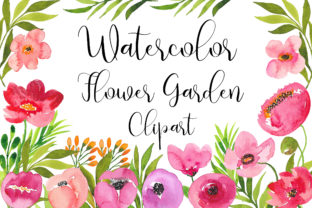
The first thing that strikes you about Flower Garden Watercolor Clip Art is its softness. Unlike rigid vector line art that demands sharp corners and high contrast, this design breathes. It mimics the organic bleed of watercolor paint, creating a mood that is gentle, nostalgic, and undeniably feminine. For an embroidery project, this suggests a specific type of application. The visual personality here leans heavily towards heirloom quality items rather than bold, industrial branding.
When evaluating the layout, I noticed the shapes are fluid without being overly complex. This is a crucial distinction. Many watercolor-style designs fail in embroidery because they rely on gradients that require thousands of stitches to approximate, leading to puckering or excessive run times. However, the structure of this particular clip art seems designed with segmentation in mind. It feels like it could be broken down into manageable fill stitch areas and delicate running stitch outlines, which is exactly what we need for a clean finish.
A Real-World Test: The Custom Tote Bag Scenario
To truly understand the potential of Flower Garden Watercolor Clip Art, let's walk through a real-life scenario. Imagine you are an Etsy seller preparing a collection of canvas tote bags for spring. You want something that feels artisanal but can still be produced efficiently for a craft fair. You decide to use this design on a natural, unbleached cotton tote.
In this context, the design shines. The soft edges of the flowers would blend beautifully with the texture of the raw canvas. If you were to place this on a dark background, say a charcoal gray sweatshirt, you would need to be strategic. The lighter tones inherent in a watercolor style might get lost without a backing layer or a very light-colored thread color palette. On the tote bag, however, the natural fibers act as a perfect neutral ground. The finished product would likely evoke a sense of calm and creativity, appealing to customers looking for personalized gifts that feel handmade rather than mass-produced.
I also considered using this for a baby item, perhaps a personalized blanket or a nursery pillow cover. The baby embroidery market thrives on soft, non-threatening imagery. The lack of harsh lines in Flower Garden Watercolor Clip Art makes it an ideal candidate for these sensitive applications. Parents often prefer softer aesthetics for their nurseries, and this design delivers that exact vibe without feeling childish.
Navigating Technical Challenges
While the aesthetic appeal is high, we must address where this design requires careful handling. Watercolor styles often struggle with stitch density. If the design relies too heavily on overlapping translucent layers, converting it to an embroidery file can result in a dense, heavy patch of thread that stiffens the fabric. This is particularly problematic for custom apparel like t-shirts or stretchy fabrics.
If you attempt to use this on a thin fabric or a curved surface like a cap, the risk of distortion increases. The fluid shapes of the flowers might not hold their integrity if the hoop size is too small or if the stabilizer is insufficient. I strongly advise against using this design in tiny hoop sizes where the intricate details of the petals could merge into a single blob of thread. Similarly, on textured fabrics like fleece or chenille, the subtle shading effects intended by the watercolor look may be obscured by the fabric pile itself.
Another area of caution is frequent washing. Items like kitchen towels or aprons endure rigorous laundering. A design with high stitch density to mimic watercolor depth might crack or pull over time if not backed correctly. For holiday embroidery projects that will be displayed rather than washed frequently, this is less of a concern, but for daily wear items, durability testing is non-negotiable.
Practical Designer Notes for Success
Before committing Flower Garden Watercolor Clip Art to a client order or a small shop product line, there are several steps you should take to ensure professional results:
- Test on Scrap Fabric First: Never skip the test run. Stitch the design on a scrap of the actual fabric you intend to use. Check for puckering, especially in the denser flower centers.
- Check Thread Color Contrast: Since watercolor implies blending, verify that your chosen thread colors provide enough contrast against the fabric. What looks distinct on screen might disappear on a patterned background.
- Review Stitch Density: Open the machine embroidery design in your digitizing software. Look for areas where the fill stitch is too tight. You may need to reduce the density slightly to maintain the "painterly" look without adding bulk.
- Confirm Hoop Size: Ensure the design fits comfortably within your hoop with room for the stabilizer. Cramping the design will ruin the organic flow of the watercolor effect.
- Inspect Small Details: Zoom in on the smallest petals and leaves. If they are too tiny, they may not stitch out clearly. Consider simplifying these elements if necessary.
- Use Proper Stabilizer: For watercolor-style fills, a cut-away stabilizer often works better than tear-away to support the weight of the thread and prevent distortion over time.
- Verify Licensing: Before selling any finished product or offering this as a digital product, confirm the licensing terms. Ensure you have the right to sell items featuring this design commercially.
Impact on Brand and Customer Perception
Using Flower Garden Watercolor Clip Art effectively can significantly elevate the perceived value of your work. In a crowded market of generic commercial embroidery, a well-executed, artistic design stands out. It signals to the customer that you care about detail and aesthetics. When a buyer sees a tote bag or a sweatshirt embroidery that captures the nuance of a watercolor painting, they perceive the item as a piece of art rather than just a commodity.
This level of craftsmanship builds trust. Customers buying from a craft business or a boutique expect quality. If the stitching is clean, the colors blend well, and the design retains its charm after washing, you reinforce your reputation as a reliable creator. Conversely, a poorly executed version of this design—one that is too dense or blurry—can damage your brand consistency and lead to negative reviews.
For the digital product sellers among us, this design also offers excellent potential for printable mockups. Even if you aren't stitching it yourself, showing how Flower Garden Watercolor Clip Art looks on various products can drive sales for your digital files. Just remember to manage expectations regarding how the final stitch count and texture will differ from a flat print.
Final Thoughts on Versatility
Ultimately, Flower Garden Watercolor Clip Art is a versatile asset that rewards thoughtful preparation. It is not a "load and go" design for every situation, but when matched with the right fabric, stabilizer, and technique, it produces stunning results. Whether you are creating an embroidered patch for a denim jacket, a personalized gift for a wedding, or inventory for your online shop, this design brings a touch of organic beauty that resonates with modern tastes.
My advice is to treat this design with the respect it deserves. Take the time to adjust the settings, test thoroughly, and choose your materials wisely. By doing so, you transform a simple illustration into a high-quality, durable textile artwork that your customers will cherish. As always, check the specific file details and license terms before integrating it into your workflow, and happy stitching!