Father and Children Clipart for Embroidery
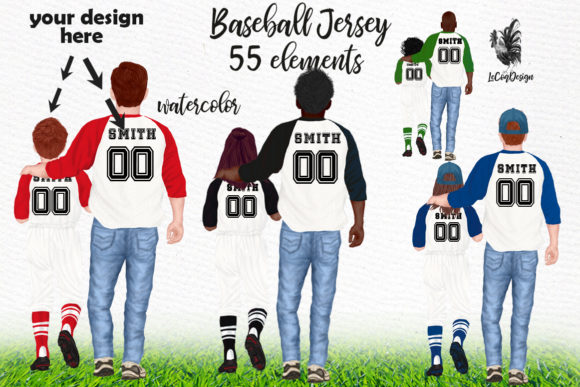
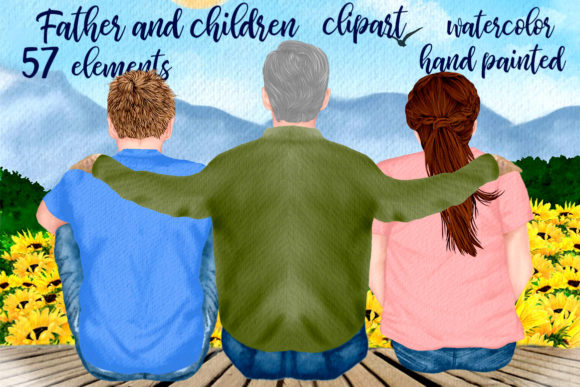
As a designer who has spent years translating digital files into tangible thread, I approach every new asset with a mix of excitement and skepticism. When I first opened the Father and Children Clipart file to evaluate it for my upcoming collection of family-themed gifts, I wasn't just looking at an image; I was visualizing the final stitch. This design falls squarely within the Illustrations category, but its true value lies in how well it translates from a screen to a hoop. The mood is immediately warm and nostalgic, capturing that universal bond between a parent and their kids without feeling overly cheesy or generic. For anyone running a craft business or selling on Etsy, this kind of emotional resonance is exactly what turns a casual browser into a buyer.
Visual Impact and Design Personality
The first thing that strikes you about the Father and Children Clipart is its clean silhouette work. In the world of machine embroidery design, simplicity often wins because it reduces the risk of registration issues and thread breaks. The shapes are bold enough to hold up when scaled down, yet they retain enough character to feel special. I can already see this working beautifully as a tote bag design or a central motif on a heavy cotton sweatshirt embroidery project. The layout suggests movement and connection, which is crucial for family portraits. Unlike some intricate vector art that relies on tiny details that get lost in stitching, this illustration prioritizes flow and form. It feels like a design that belongs in a nursery or a cozy living room, making it perfect for holiday embroidery projects where sentimentality is key.
Real-World Application: From File to Fabric
Let's talk about a real scenario. Imagine I'm preparing a custom order for a father-to-be who wants a personalized gift for his wife's baby shower. I need something that looks professional but also handmade and heartfelt. Using the Father and Children Clipart, I would likely opt for a dense fill stitch to give the figures weight and presence against a textured fabric like a canvas tote or a denim jacket. The design's clarity means I don't have to worry about the stitch density becoming too high, which is a common problem with complex illustrations. If I were using this for a personalized gift like a pillow cover, I could experiment with different thread colors to match the nursery palette, perhaps using a soft pastel for the child and a deeper tone for the father figure to create depth.
For those of you running a small shop product line, consider how this design scales. It works exceptionally well as an embroidered patch. Patches are trendy right now, and a sturdy, well-defined design like this ensures the edges look crisp even after multiple washes. Whether you are creating a custom apparel item for a boutique or a batch of baby embroidery onesies for a craft fair, the versatility of this clipart is its strongest asset. It doesn't scream "digital download"; it whispers "crafted with care." That subtle difference is what builds customer trust and elevates your brand perception.
Navigating Technical Challenges and Limitations
While the Father and Children Clipart is robust, no design is foolproof. As a reviewer, I must point out where caution is needed. If you attempt to use this on very thin or stretchy fabrics, such as jersey knit t-shirts, you will need a heavy-duty stabilizer. Without proper backing, the tension from the running stitch outlines could cause the fabric to pucker, ruining the smooth lines of the illustration. Similarly, if you are working with dark fabrics, the default color scheme might not provide enough contrast. You may need to add a layer of underlay or switch to a bright white thread for the outline to ensure the design pops.
Another area to watch is the hoop size. While the design is scalable, shrinking it too much for a small cap or a cuff detail could result in the loss of facial features or the sense of connection between the figures. Always test the smallest version on scrap fabric first. Also, be mindful of curved surfaces. Embroidering on a baseball cap requires specific adjustments to the digitization to account for the dome shape. If the digital embroidery file isn't specifically optimized for caps, the straight lines of the clipart might distort. Always check the technical specifications before committing to a finished product.
Strategic Advice for Designers and Sellers
If you are planning to sell items featuring the Father and Children Clipart, you need to think about your workflow. Before you start stitching, create a printable mockup to visualize how the design sits on the garment. This step saves time and thread. Test the design in black and white first to check the balance of light and dark areas. Ensure that the design assets you are using are licensed for commercial use. Many designers overlook this, only to find out they cannot sell their finished goods legally. Confirming the license terms protects your creative entrepreneurs journey and keeps your business compliant.
When selecting thread colors, remember that the fabric texture plays a huge role in the final look. A matte thread on a shiny fabric creates a different effect than satin thread on a rough weave. For a commercial embroidery project, consistency is key. If you are producing a run of 50 aprons, make sure every single one matches in color and placement. Use a template to mark the hooping area so the design is centered perfectly every time. This attention to detail is what separates a hobbyist from a professional Etsy seller.
Final Thoughts on Project Suitability
In conclusion, the Father and Children Clipart is a strong contender for any designer looking to expand their portfolio with meaningful, family-oriented pieces. Its strength lies in its ability to convey emotion through simple, effective shapes. Whether you are making a kitchen towel for a housewarming gift or a blanket for a newborn, this design holds up well under scrutiny. Just remember to respect the limitations of your materials and always test before you commit. With the right stabilizer, thread choices, and careful execution, this illustration can become a signature piece in your collection, driving engagement and sales for your handmade brand.