Cute Hippo Ballerina Watercolor Review
As a designer who has spent years translating digital files into tangible thread, I approach every new asset with a critical eye. When I first opened the file for Cute Hippo Ballerina Watercolor, I wasn't just looking at a cute image; I was analyzing its potential as a commercial-grade machine embroidery design. This piece falls squarely into the Illustrations category, which often presents unique challenges when moving from screen to stitch. The concept itself—a hippo in a tutu rendered with soft, watercolor-like gradients—is inherently charming, but charm alone doesn't guarantee a successful embroidery project. My goal here is to walk you through how this design translates to real-world applications, from personal gifts to small business inventory.
First Impressions and Visual Mood
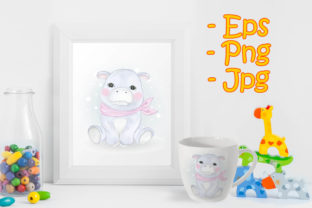
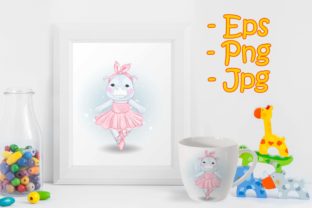
The immediate appeal of Cute Hippo Ballerina Watercolor lies in its whimsical personality. Unlike rigid vector art, the watercolor aesthetic suggests softness and movement. For an Etsy seller or boutique owner, this mood is gold. It screams "nursery decor" or "gentle gift." However, the translation of watercolor effects into thread requires careful consideration. In a digital preview, the blending looks seamless. In reality, achieving that look relies heavily on how the stitch density is programmed. If the file uses too many color changes without proper blending techniques, the final result can look muddy rather than artistic. As I examined the layout, I noted that the silhouette is distinct enough to hold its shape, which is crucial for maintaining visual clarity on textured fabrics.
Real-World Application: A Custom Tote Bag Scenario
To truly test the viability of this design, let's imagine a specific use case. Picture yourself preparing a line of custom canvas tote bags for a local craft fair. You want something that stands out against the standard floral prints. You decide to use Cute Hippo Ballerina Watercolor as the centerpiece. Here is where the practical side of reviewing an embroidery file kicks in. Canvas is forgiving, but it has a texture that can swallow fine details. If the ballerina's ribbons or the hippo's facial features rely on tiny running stitches, they might get lost in the weave of the fabric.
In this scenario, I would recommend placing the design on a high-quality cotton canvas using a mid-weight tear-away stabilizer. The soft curves of the watercolor style work beautifully on a tote because the bag's surface allows for a flat lay. The design becomes a focal point, instantly elevating a plain bag into a premium handmade product. Customers browsing your booth will likely react positively to the playful theme, associating it with joy and creativity. However, if you were to attempt this same design on a thin jersey t-shirt, the results could be disastrous. The stretch of the fabric combined with the intricate shading of the watercolor effect could cause puckering, distorting the hippo's shape and ruining the professional finish.
Navigating Fabric and Hoop Challenges
Not all projects are created equal, and knowing where to draw the line is what separates hobbyists from professionals. While Cute Hippo Ballerina Watercolor is delightful, it demands respect for its technical requirements. One area of caution is the hoop size. If the design is large, you need a hoop that accommodates the full spread without cutting off the delicate edges of the tutu or the background wash. Attempting to force a large illustration into a small 4x4 inch hoop will compress the design, making the watercolor gradients look like solid blocks of color.
Furthermore, consider the fabric texture. On heavy denim or thick fleece, such as for a sweatshirt embroidery project, the soft aesthetic might struggle to pop unless you use high-contrast thread colors. Dark fabrics require even more attention; the light pastel tones typical of a watercolor hippo might disappear entirely without a strong underlay or a backing patch. This is also true for curved surfaces like caps. Embroidering complex illustrations on a rounded cap brim can lead to registration issues where the layers of thread don't align perfectly, breaking the illusion of the watercolor blend.
Strategic Uses for Small Business Owners
- Baby Items: This design is perfect for baby embroidery on onesies, bibs, or receiving blankets. Parents love whimsical animal themes, and the soft look complements baby gear.
- Patches: Creating an embroidered patch version of this design allows you to sell it as a versatile accessory. Customers can iron it onto jackets, backpacks, or hats, expanding your market reach.
- Home Decor: Pillow covers and kitchen towels benefit from the gentle nature of the illustration. Just ensure the fabric is stable enough to handle the fill stitch density.
- Holiday Gifts: Position this as a unique holiday embroidery item for teachers or family members who appreciate handmade, personalized touches.
Technical Execution and Designer Notes
Before committing this design to a paid order or mass production, there are non-negotiable steps to take. First, always run a test on scrap fabric. Even if the digital embroidery file looks perfect on your screen, the physical interaction between needle, thread, and cloth can reveal hidden flaws. Check the thread colors specifically for the watercolor transitions. Do they blend naturally, or do they create harsh lines? If the latter, you may need to adjust the sequence or add a satin stitch border to define the edges.
Secondly, inspect the stitch density. High density is necessary for coverage, but too much can stiffen the fabric, making a soft-looking hippo feel like a brick. This is particularly important for items like aprons or tea towels that will be washed frequently. Over-stitched areas are prone to cracking over time. Also, verify the licensing terms. As a commercial embroidery provider, you must confirm whether you are allowed to sell finished goods featuring Cute Hippo Ballerina Watercolor. Some designers restrict the sale of finished products, while others allow unlimited commercial use. Never assume; always check the license agreement included with the download.
Final Verdict on Value and Appeal
Ultimately, Cute Hippo Ballerina Watercolor is a strong contender for any creative entrepreneur's library, provided it is used correctly. It adds a layer of sophistication and playfulness that generic clipart cannot match. When executed well on the right medium, it enhances the perceived value of your finished product, encouraging customers to pay a premium for the quality and uniqueness. It builds trust because it shows you care about the details—from the choice of stabilizer to the selection of thread shades.
For the craft business owner, this design represents an opportunity to stand out. It works exceptionally well for personalized gifts where the recipient wants something special and not mass-produced. However, success hinges on your ability to manage the technical aspects of embroidery. By testing thoroughly, choosing appropriate fabrics, and respecting the limitations of the watercolor style in thread, you can turn this digital illustration into a beloved physical treasure. Whether you are decorating a single pillow cover or stocking shelves for your shop, this design offers a warm, inviting aesthetic that resonates with buyers looking for heartfelt, handmade quality.