Polar Bear Watercolor Art: A Designer's Review
As a designer who has spent years translating digital art into tangible thread, I approach every new machine embroidery design with a mix of excitement and skepticism. The market is flooded with generic patterns, but occasionally, a piece arrives that feels different. That is exactly my first impression of Polar Bear Watercolor Art. It sits in the Illustrations category, promising something softer than the typical bold, cartoonish animal motifs we often see. Before I commit this to a client project or list it in my own shop, I need to understand how this specific aesthetic translates from screen to fabric.
The Mood and Visual Personality
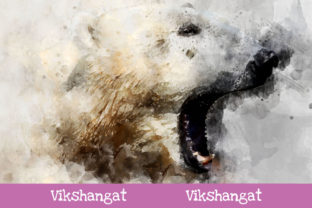
At first glance, Polar Bear Watercolor Art exudes a gentle, whimsical charm. Unlike high-contrast vector art that relies on sharp outlines, this design mimics the fluidity of watercolor paint. The edges are soft, blending shades of white, cream, and subtle grays to create depth without harsh lines. This visual personality suggests it belongs in projects that prioritize emotion over graphic punch. It feels like a piece meant for nursery decor, a cozy winter-themed tote bag, or a personalized gift for someone who appreciates nature's quiet beauty.
However, translating a watercolor effect into thread is one of the trickiest challenges in our field. In a digital file, gradients are smooth. In an embroidery project, they must be achieved through careful layering of fill stitch and strategic color changes. The success of this design hinges entirely on whether the artist has managed to capture that "bleeding" paint look without creating a muddy mess of tangled threads.
Real-World Application: The Custom Tote Bag Scenario
Let's imagine a real-life scenario. I have a client running a small boutique who wants to launch a line of eco-friendly canvas tote bags for the holiday season. She wants something unique that stands out from the standard red and green ornaments. Polar Bear Watercolor Art immediately comes to mind as a perfect candidate for this tote bag design.
Canvas is a sturdy, textured fabric, which is generally forgiving. If I were to hoop this design on a natural-colored canvas bag, the lighter tones of the bear would likely stand out beautifully against the off-white background. The soft aesthetic would elevate the perceived value of the bag, turning a simple utility item into a collectible handmade product. Customers browsing at a craft fair or scrolling through an Etsy listing would likely pause because the design feels artistic rather than mass-produced. It signals quality and thoughtfulness, two key drivers for buyer engagement in the handmade sector.
Conversely, if I tried to use this same design on a dark navy sweatshirt, the result might be disappointing. Watercolor effects rely heavily on light backgrounds to show their translucency. On dark fabric, the white and light gray threads might not provide enough contrast, causing the image to disappear unless significant underlay work is added. This is a crucial lesson for any Etsy seller: always test your embroidery file on the intended fabric before committing to a full production run.
Navigating Technical Challenges
While the concept is beautiful, practical application requires caution. The delicate nature of Polar Bear Watercolor Art means it may not perform well in all situations. For instance, using this design on stretchy fabrics like jersey knit can be risky. As the fabric stretches, the fine details of the watercolor blend could distort, breaking the illusion of softness. Similarly, on very thin fabrics like chiffon or lightweight linen, the stitch density required to build up the colors might cause puckering, ruining the drape of the garment.
Another consideration is the hoop size. Designs with soft, blended edges often require a larger area to breathe. If you attempt to shrink this design down to fit a small 4x4 inch hoop, the intricate shading might get lost, resulting in a blobby shape that lacks definition. Always check the original dimensions of the digital embroidery file and ensure your machine and hoop can accommodate the recommended size without compromising the artwork's integrity.
Furthermore, the texture of the final finished product will differ significantly from the flat image. The raised nature of satin stitches and fill stitches adds a tactile dimension. While this can add luxury, it also means the design will take up physical space. On items like caps or curved surfaces, this bulk might make the embroidery feel stiff. It is essential to evaluate whether the added texture complements the item or detracts from its wearability.
Strategic Advice for Designers and Makers
If you decide to incorporate Polar Bear Watercolor Art into your business, here are my top recommendations for ensuring professional results:
- Test on Scrap Fabric First: Never skip the test run. Stitch the design on a piece of the actual fabric you plan to use. This allows you to see how the thread colors interact with the material's texture and weave.
- Check Thread Color Contrast: Since this design relies on subtle shifts in tone, verify that the thread palette offers enough distinction between layers. Sometimes what looks distinct on a monitor blends together when stitched.
- Review Stitch Density: Inspect the back of the test stitch. If there are too many jumps or excessive density, it could lead to fabric distortion or thread breakage during production.
- Confirm Hoop Size Compatibility: Ensure the design fits comfortably within your hoop without stretching the fabric excessively, which can alter the proportions of the bear.
- Inspect Small Details: Zoom in on the eyes and nose of the polar bear. These focal points need to remain crisp even amidst the soft watercolor background.
- Use Proper Stabilizer: For designs with complex fills, a high-quality stabilizer is non-negotiable. It prevents shifting and ensures the stitches lay flat and smooth.
- Compare Light and Dark Backgrounds: Create mockups showing the design on both light and dark fabrics to determine where it works best before selling it as a small shop product.
- Verify Licensing: Before selling finished items or offering the digital product for download, confirm the license terms. Some designs allow personal use only, while others permit commercial sales of embroidered goods.
Impact on Brand and Customer Trust
Ultimately, the choice to use Polar Bear Watercolor Art speaks volumes about your brand identity. It suggests a focus on artistry, care, and attention to detail. When customers receive a personalized gift featuring this design, they aren't just getting a logo; they are receiving a piece of art. This level of presentation builds trust and encourages repeat business.
For those creating commercial embroidery assets, this type of illustration offers a unique selling point. In a sea of blocky, saturated graphics, a watercolor-style design stands out. It appeals to parents looking for baby embroidery, decorators seeking nursery decor, and anyone wanting to add a touch of elegance to their wardrobe. However, remember that the beauty of the design is only half the battle. The execution—your skill in selecting the right stabilizer, thread, and fabric—is what turns a good idea into a great product.
In conclusion, Polar Bear Watercolor Art is a compelling addition to any designer's library, provided it is used with intention and technical precision. By respecting the nuances of the medium and testing thoroughly, you can create stunning custom apparel and gifts that resonate deeply with your audience. Whether you are stitching a single embroidered patch for a friend or producing a batch of holiday embroidery for your store, let the design guide your process, but let your expertise guide the outcome.