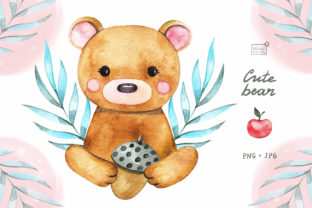
Watercolor Cute Bear Cliparts & Illustrations
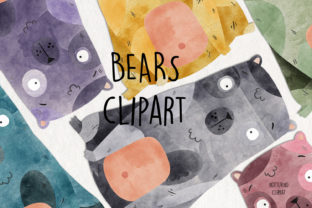
As a graphic designer who has spent years navigating the delicate balance between creative whimsy and commercial viability, I approach every new asset with a critical eye. Recently, while brainstorming a visual identity for a boutique baby clothing line and a handmade soap brand, I stumbled upon Watercolor Cute Bear Cliparts. My initial reaction was immediate: this is not just another generic set of drawings; it is a mood setter. The soft washes of color, the gentle blending of pigments, and the inherent charm of the bear characters create an atmosphere of warmth and nostalgia that is hard to replicate from scratch in a rush.
In the world of brand identity, first impressions are everything. When a client asks for something "soft," "approachable," and "trustworthy," finding the right graphic design asset can make or break the project. These Illustrations immediately evoke a sense of comfort, making them perfect for brands targeting parents, children, or anyone seeking a touch of gentleness in their marketing visuals. However, before I commit to using them for a paying client, I need to dig deeper into their versatility and technical performance.
Visual Mood and Brand Alignment
The aesthetic of Watercolor Cute Bear Cliparts leans heavily into a handcrafted, organic style. Unlike the sharp, geometric lines often found in modern corporate branding, these assets feel alive. They suggest a story of care and attention to detail. For a small business owner launching an Etsy product or a print-on-demand seller looking to differentiate their shop, this style offers a distinct advantage. It signals that the brand is human-centric and values creativity over cold automation.
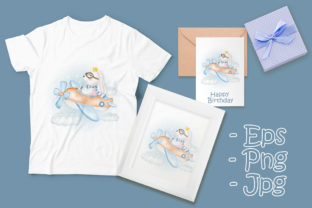
I tested the concept by placing one of the bears on a mockup for a baby onesie. The result was instantly cohesive. The watercolor texture softened the digital look of the t-shirt design, making it feel like a high-quality screen print or a sublimation design done with real ink. This emotional appeal is crucial for engagement. In social media graphics, where users scroll past hundreds of images in seconds, the unique texture of these clipart pieces stops the thumb. They stand out against the sea of flat vector icons and stock photos that dominate Instagram and Pinterest feeds.
Performance in Real-World Design Scenarios
To truly evaluate if Watercolor Cute Bear Cliparts is a viable commercial design asset, I examined how they perform across various mediums. In packaging design, particularly for gift sets or seasonal campaigns, these illustrations work beautifully as decorative accents. Imagine a box of artisanal cookies or a set of bath bombs; adding a cute bear holding a honey jar or a flower creates a narrative that elevates the product from a commodity to a gift.
For editorial design, such as blog headers or magazine spreads, the transparency of the PNG files allows for seamless integration over text or background patterns. I also considered their use in Canva templates for bloggers. A template featuring these bears would likely sell well because it offers a ready-made solution for creating cute, professional-looking posts without needing advanced design skills. Similarly, for Cricut users and crafters, if the set includes SVG designs, the possibilities for sticker design, vinyl cuts, and scrapbooking expand significantly. The ability to layer these elements makes them incredibly flexible for digital product creation.
Where the Asset Shines Brightest
There are specific scenarios where Watercolor Cute Bear Cliparts excels. They are ideal for large layout areas where the texture can be appreciated, such as hero graphics on a website or the front panel of a tote bag. In product mockups, they add depth and character, making the final presentation feel more polished. They are also excellent for themed collections, such as a spring campaign or a nursery decor line, where consistency in style is key. As supporting brand elements, they reinforce the visual hierarchy without overpowering the primary message.
When to Exercise Caution
However, professional judgment dictates knowing when not to use an asset. These illustrations should be used carefully in minimalist branding projects that rely on stark contrast and clean lines. The organic edges of watercolor art might clash with a strict grid system or a highly technical web design interface. Furthermore, in crowded layouts or complex backgrounds, the subtle details of the watercolor wash can get lost. If you are designing for low-contrast environments or printing at very small sizes, the texture may muddy the visual clarity. Always test the asset at scale before finalizing a logo design or icon set.
Practical Designer Notes and Technical Checks
Before integrating any design bundle into a client project, I follow a rigorous checklist. First, I always test the asset in black and white. Does the bear still hold its shape and recognizability without color? This ensures the design works for monochrome printing or embossing. Next, I check the contrast on both light and dark backgrounds. Watercolor styles often rely on white space, so placing them on a dark background requires careful adjustment to maintain visibility.
File formats are non-negotiable. For professional work, I need high-resolution PNGs with transparent backgrounds to ensure crisp edges when layered. If vectors are available, checking the SVG editability is essential. Can I change the colors to match the client's palette? Can I separate the layers for animation? Additionally, I review the font pairings. These cute bears pair naturally with script fonts, handwritten fonts, and rounded sans serif fonts. They generally do not work well with rigid, industrial serif fonts or aggressive display fonts, as the tonal mismatch can confuse the audience.
Finally, and most importantly, I confirm the commercial license. Using a creative marketplace asset for a client project requires clear rights. Does the license cover unlimited prints? Can it be used on merchandise for resale? Understanding these terms protects both the designer and the client from legal issues down the road. Once verified, Watercolor Cute Bear Cliparts becomes a powerful tool in my arsenal.
Final Verdict for Small Business and Creative Projects
In conclusion, Watercolor Cute Bear Cliparts is a versatile and emotionally resonant asset that bridges the gap between professional polish and handmade charm. It is perfectly suited for small business branding, handmade business owners, and content creators looking to inject personality into their work. Whether you are designing a flyer for a local event, creating printable wall art, or building a complete brand identity, these illustrations offer a fresh alternative to standard clipart.
They enhance readability by breaking up text blocks with friendly imagery, improve visual trust through their warm aesthetic, and boost audience engagement by appealing to our innate love for cute animals. While they require thoughtful application regarding size and background complexity, their potential to elevate a design project is undeniable. For any designer seeking to create a memorable, heartwarming visual experience, this collection is a worthy addition to your library of design assets.