Easter Eggs Watercolor Clip Art & Illustrations
As a digital publisher who has spent years refining the visual language of content websites, I know that the difference between a casual blog and a trusted authority often comes down to the quality of your graphic design asset choices. When I first opened the file pack for Easter Eggs Watercolor Clip Art, my immediate reaction was one of relief. In an era where stock photography can feel generic and overused, this collection offers a distinct editorial mood that feels both playful and polished. It is not just a set of images; it is a toolkit for creating a cohesive brand identity that resonates with readers during seasonal peaks.
The Editorial Mood and Visual Hierarchy
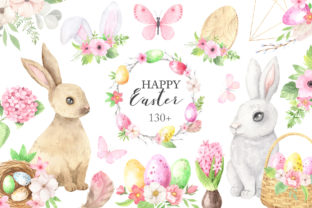
The watercolor aesthetic inherent in these Illustrations immediately signals a lifestyle-focused, artistic approach to content. Unlike harsh vector graphics or overly saturated photos, the soft edges and organic textures of Easter Eggs Watercolor Clip Art create a sense of warmth and approachability. This is crucial for editorial design. When a reader lands on a page, their eyes need a clear path. These assets provide a gentle visual anchor that guides attention without shouting for it. They work exceptionally well to soften the rigid lines of a modern web design layout, making complex topics feel more accessible and human.
For publishers targeting niches like family living, education, crafting, or seasonal home decor, this creative design style bridges the gap between professional and personal. It suggests that the content creator cares about aesthetics but remains grounded in reality. The color palette, typically featuring pastels and earth tones found in spring, ensures that the visuals do not clash with most website themes. Instead, they enhance the visual hierarchy, allowing headlines to pop while the background imagery provides context and atmosphere.
Real-World Publishing Workflows
In my own publishing workflow, I rarely use a single image type for every purpose. However, Easter Eggs Watercolor Clip Art is versatile enough to serve multiple roles across a content ecosystem. Let's look at how this digital download integrates into real projects.
Featured Images and Blog Headers
The most common use case is for blog graphics. When drafting a post about spring activities or holiday traditions, I use these eggs as the primary focal point in the featured image. By layering them over a clean background in a tool like Canva, I can create a custom website header that looks bespoke rather than templated. This customization is vital for content marketing because it signals to the user that they are reading original, high-effort content.
Social Media and Pinterest Strategy
For platforms like Pinterest, where visual appeal drives traffic, these assets are gold. A vertical Pinterest pin featuring a cluster of these watercolor eggs with a bold headline overlay performs significantly better than text-only pins. The texture of the paint adds depth that stands out in a crowded feed. Similarly, for social media graphics on Instagram or Facebook, these illustrations add a festive touch to stories and posts without requiring a full photo shoot.
Digital Products and Lead Magnets
Beyond the blog, these design assets are perfect for packaging digital products. If you are creating a lead magnet, such as a printable Easter activity sheet or a digital guide on spring gardening, using these illustrations on the cover instantly increases perceived value. Readers are more likely to download a resource that looks professionally designed. You can also incorporate them into printable design worksheets for online educators or as decorative elements in eBook covers.
Performance and Reader Trust
Why does the choice of illustration matter for performance? Because visuals drive clicks. A modern design approach using high-quality Illustrations improves the click-through potential of your content upgrades and internal links. When a category thumbnail on your homepage features a consistent style of watercolor art, it creates category recognition. Users learn to associate that specific visual style with your brand, building trust and familiarity.
This consistency is key for affiliate marketing as well. If you are reviewing spring products or linking to seasonal sales, having a cohesive visual theme around those affiliate links makes the recommendation feel more curated and less like a random ad. It strengthens your small business branding by showing that you have a defined taste and standard for quality. In the competitive landscape of the creative marketplace, this level of polish separates hobbyists from professionals.
Strategic Placement and Limitations
While Easter Eggs Watercolor Clip Art is versatile, it requires strategic placement to maintain its impact. It shines brightest in hero images, article thumbnails, and as editorial accents within long-form content. Using them as subtle backgrounds for newsletter headers or as icons for social media previews works beautifully to tie the campaign together.
However, there are scenarios where caution is needed. Avoid using these detailed watercolors in small mobile thumbnails where the texture might blur into a muddy spot. They should also be used carefully in text-heavy blog graphics; if the egg pattern is too busy, it can interfere with readability. Furthermore, if your site operates in a serious corporate niche or requires a stark, minimal visual system, the whimsical nature of these eggs might feel out of place. Always test the contrast against your background colors to ensure the imagery doesn't fight with your typography.
Practical Publisher Notes for Implementation
Before integrating any new asset into a live site, I follow a strict testing protocol. First, preview Easter Eggs Watercolor Clip Art inside your actual blog layout. Does it scale well on desktop and mobile screens? Check how it looks when paired with different font styles—serif fonts often complement the classic watercolor look, while script fonts can enhance the playful vibe. Test the asset in black and white to see if the shapes remain distinct, which is important for accessibility and print versions.
Technical optimization is non-negotiable. Review the file size to ensure fast load times; compress images properly before uploading to maintain web design speed standards. Finally, always confirm the commercial license terms. As a publisher monetizing through ads or affiliate marketing, you must ensure you have the rights to use these Illustrations on paid content products and public-facing pages. Once you verify these details, you can confidently deploy this graphic design asset to elevate your entire content strategy.
Ultimately, Easter Eggs Watercolor Clip Art is more than just a seasonal decoration. It is a functional element of a robust content marketing plan that enhances reader experience, boosts engagement, and reinforces a professional brand identity. For any blogger or digital entrepreneur looking to polish their visual presentation, this collection is a worthy investment.