5 Watercolor Decorations: A Designer's Review
As a designer who has spent years navigating the gap between digital mockups and physical stitched reality, I approach every new machine embroidery design with a mix of excitement and skepticism. When I first opened the file for 5 Watercolor Decorations and Elements, my immediate goal was to determine if these soft, artistic shapes could survive the translation from screen to fabric without losing their soul. This collection falls under the Freebies category, which often raises eyebrows in our industry. However, free does not always mean low quality; it simply means we need to be more rigorous in our testing before committing these assets to a client project or a boutique product line.
The First Impression: Capturing Softness in Thread
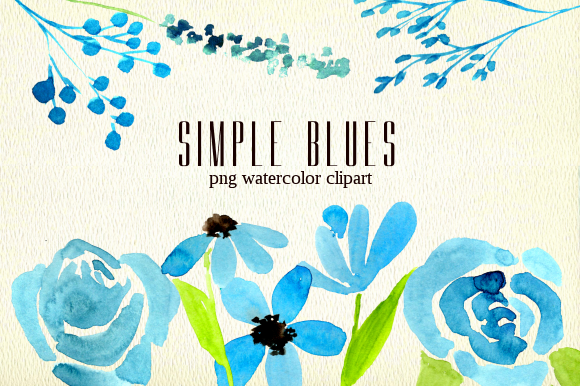
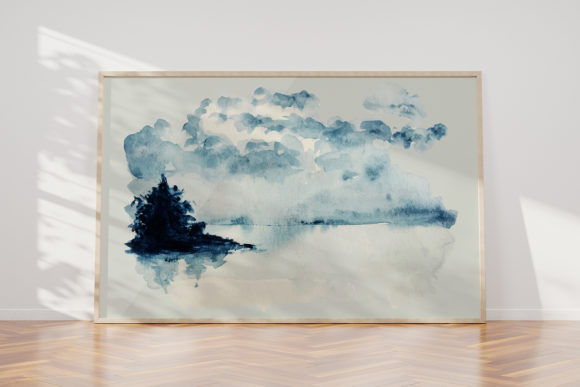
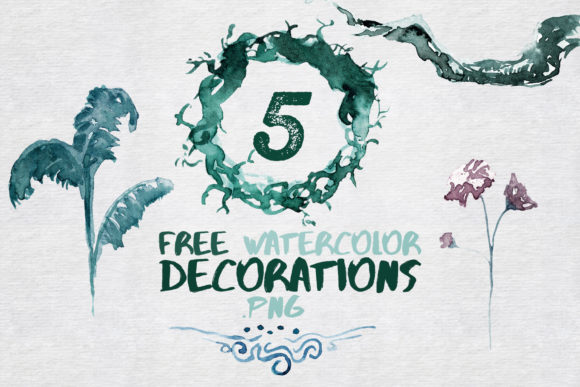
The visual personality of 5 Watercolor Decorations and Elements is immediately striking. The designs mimic the fluid, bleeding edges of watercolor paint, creating a mood that is organic, gentle, and undeniably modern. In the digital realm, these elements look like delicate washes of color. But as an embroiderer, my mind instantly shifts to how this aesthetic translates into fill stitch and satin stitch. The challenge with watercolor styles is avoiding the "blocky" look that can occur when high-density stitching tries to replicate a gradient.
Upon closer inspection of the layout, the shapes are versatile. They range from abstract splashes to structured floral accents. This variety suggests they could work well as background flourishes or standalone focal points. For a craft business owner looking to add a touch of whimsy to their brand, these elements offer a distinct alternative to the rigid geometric patterns that dominate many current trends. The detail level appears moderate, which is promising for maintaining clarity on various fabrics, provided the hoop size is appropriate.
A Real-World Test: The Custom Tote Bag Scenario
To truly evaluate the utility of 5 Watercolor Decorations and Elements, I imagined a specific project: a custom embroidered tote bag for a local artisan market. Imagine a natural canvas tote, sturdy but textured. The plan is to place a large, central watercolor splash near the bottom corner, perhaps in muted sage and terracotta tones, to serve as a subtle branding element for a handmade soap shop.
In this scenario, the embroidery file needs to hold up against the weave of the canvas. If the stitch density is too high, the watercolor effect will turn into a hard, plastic-looking patch, ruining the soft vibe. If it is too low, the thread might show through the gaps, making the design look unfinished. My instinct is that these designs would require careful thread colors selection. Using variegated threads or blending multiple shades of the same hue would be essential to sell the watercolor illusion. On a finished product like this, the customer reaction would likely be positive because the design feels curated and artistic rather than mass-produced. It elevates a simple canvas bag into a personalized gift or a premium small shop product.
Navigating Fabric and Hoop Challenges
While the potential is high, there are specific situations where 5 Watercolor Decorations and Elements requires caution. These designs are not one-size-fits-all. On thin or stretchy fabrics like jersey knit for sweatshirt embroidery or baby clothes, the open nature of watercolor fills can cause puckering if the wrong stabilizer is used. You cannot simply hoop the fabric and go; you must test the design on scrap fabric first to ensure the tension holds the shape without distorting the garment.
Texture is another critical factor. If you are working with a heavy linen or a thick wool blend for a holiday gift, the intricate edges of the watercolor shapes might get lost in the fabric grain. Similarly, on dark fabrics, the lack of solid outlines in some of these elements could make the design appear muddy unless you use a bright, contrasting backing or adjust the stitch direction. For curved surfaces like caps, the flat nature of watercolor splashes can sometimes warp visually. Always check whether the design works for both personal and commercial projects by inspecting small details in a black and white mockup first.
Strategic Use for Business and Branding
For the Etsy seller or the digital product seller, integrating 5 Watercolor Decorations and Elements into your workflow can significantly boost buyer engagement. These assets work exceptionally well as decorative accents on embroidered patches or as framing elements for text on aprons and pillow covers. Because they are part of the Freebies collection, they offer a low-risk way to experiment with new aesthetics before investing in expensive licensed art.
However, professional presentation is key. When using these designs for commercial embroidery, you must confirm licensing terms before selling finished items. Even if the file is free, the rights to sell the physical goods may vary. Furthermore, consider how these elements affect your brand consistency. Do these soft, organic shapes align with your existing logo and product line? If your brand is bold and industrial, these decorations might feel out of place. But for a nursery decor line or a wedding gift suite, they are perfect. They add a layer of sophistication that suggests care and attention to detail, increasing the perceived value of your handmade product.
Practical Designer Notes for Success
Before you commit to stitching 5 Watercolor Decorations and Elements on a client order, follow these practical steps:
- Test on Scrap Fabric: Never skip this. Stitch the design on the exact material you intend to use to check for puckering and thread visibility.
- Check Thread Contrast: Ensure the chosen thread colors stand out against the background fabric while still mimicking the soft watercolor gradient.
- Review Stitch Density: Look at the digital embroidery file closely. If the fill is too dense, consider reducing it slightly to maintain the airy feel of the design.
- Confirm Hoop Size: Verify that the design fits comfortably within your machine's hoop size without crowding the edges.
- Inspect Small Details: Zoom in on the corners and edges. Tiny lettering or fine lines within the decoration may need simplification for smaller applications like baby embroidery.
- Use Proper Stabilizer: For textured or stretchy fabrics, a tear-away or cut-away stabilizer is non-negotiable to keep the shape crisp.
- Licensing Check: Double-check the license agreement to ensure you are cleared for commercial embroidery and selling the final goods.
Ultimately, 5 Watercolor Decorations and Elements offers a refreshing departure from standard motifs. With the right preparation and a keen eye for fabric interaction, these designs can transform simple garments and home goods into standout pieces. Whether you are creating a tote bag design for a craft fair or a unique holiday embroidery gift, the key lies in understanding how the digital art breathes when turned into thread. By treating these free assets with the same respect as paid files, you can deliver a finished product that feels premium, professional, and deeply personal.